Relationship Therapy for Individuals and Couples
Couples Therapy

Helping You Understand Each Other and Restore Connection
Many couples come to therapy feeling stuck in the same arguments, disconnection, or emotional distance—despite genuinely wanting things to be better. Often, partners aren’t failing each other; they’re simply caught in patterns they don’t yet understand.
In couples therapy, my goal is to help you slow things down, feel emotionally safe, and begin to hear one another more clearly. When understanding grows, change becomes possible.
How Couples Therapy Works
Weekly Sessions Designed to Support Progress
With couples, I recommend weekly sessions ranging from 45 to 90 minutes. Many couples make good progress in 45-minute sessions, while others benefit from longer sessions. We usually know fairly early on what length will best support your progress.
Longer sessions often allow therapy to move more efficiently and deeply, especially when communication has become difficult or emotions escalate quickly.

Why the Same Arguments Keep Happening
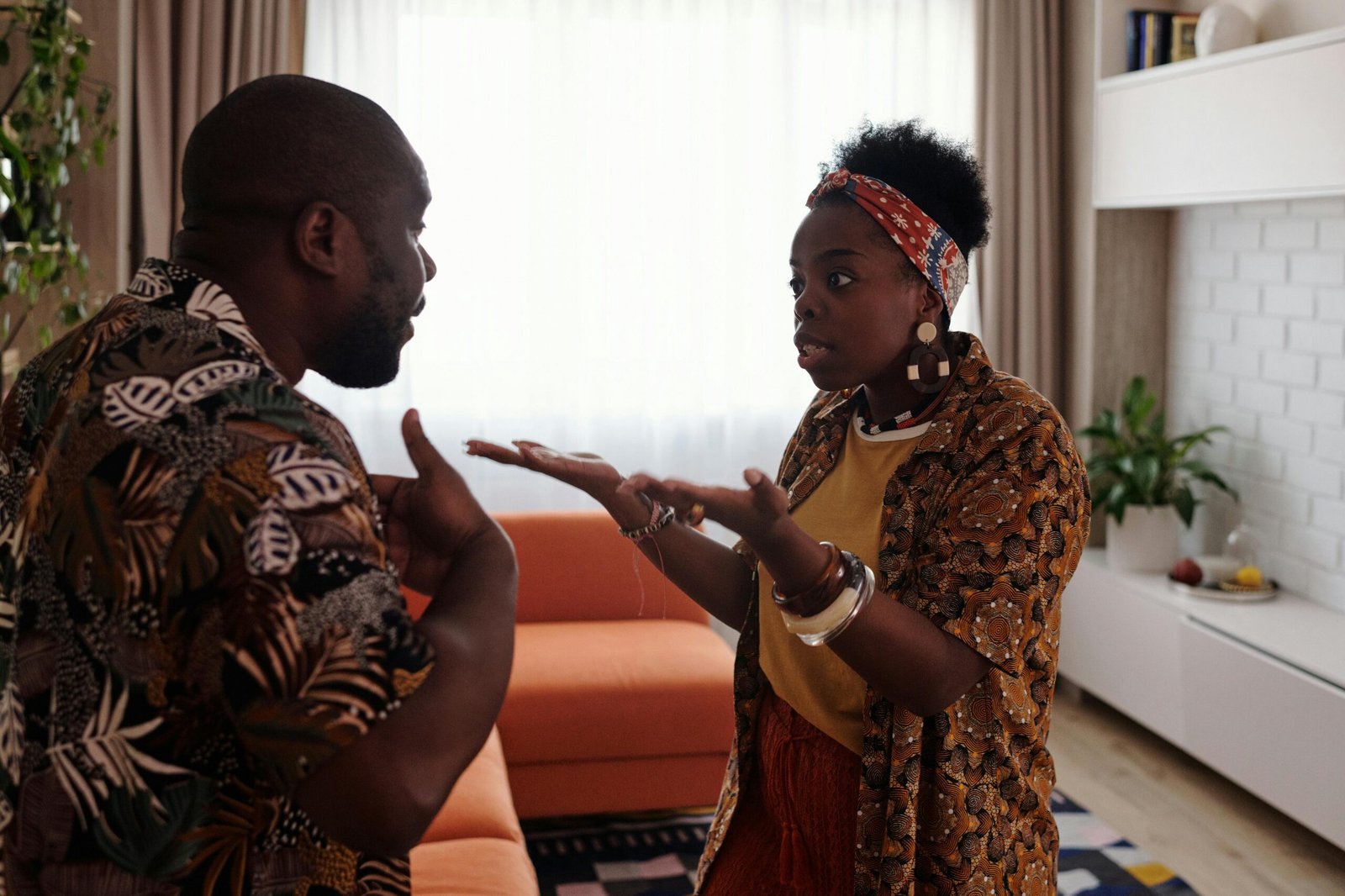
Couples often notice that their conflicts have a familiar theme, even when the details change. This usually happens because partners are not fully understanding each other’s meaning beneath the surface.
When we get triggered, the brain’s alarm system activates. In those moments, access to the prefrontal cortex, the part of the brain responsible for emotional regulation, empathy, and reflective listening becomes limited. Without that part of the brain online, it’s difficult to truly hear your partner. Instead, attention shifts toward self-protection and preparing a rebuttal.
In couples therapy, we work to restore emotional safety so that both partners can remain engaged, regulated, and receptive—even during difficult conversations.
My Approach to Couples Therapy
From the very first session, I prioritize emotional safety. Without it, meaningful progress is not possible. I use a structured and effective approach that supports honest, respectful communication between partners.
I do not take sides or decide who is right or wrong. Instead, I carefully assess the unique strengths and challenges of your relationship and help you understand the patterns that keep repeating.
I often describe a relationship as being like a garden. If nothing intentional is planted, weeds will naturally grow. My work with you focuses on helping you plant what you want—connection, understanding, trust—while gently identifying and removing what gets in the way. Doing this work in an emotionally safe environment makes it far less painful and far more effective.
Many couples feel relieved once we begin working together and often say they wish they had come in sooner.

Imago Relationship Therapy
Understanding the Roots of Conflict and Connection
Imago Relationship Therapy was developed by Dr. Harville Hendrix, Ph.D., author of Getting the Love You Want. The word imago is Latin for “image” and refers to the unconscious image of familiar love that we carry with us into adult relationships.
In simple terms, the challenges you experience with your partner often have roots in early relational experiences. For example, someone who felt frequently criticized as a child may be especially sensitive to criticism in adulthood—even when it’s unintended. Someone who experienced abandonment or emotional neglect may react strongly to perceived distance or disconnection.
Most people face only a few of these core relational sensitivities, but they tend to surface again and again within intimate partnerships. Over time, they can overshadow what’s good in the relationship and leave couples wondering whether they chose the right partner.
The good news is that when partners begin to understand each other’s emotional histories with empathy, healing becomes possible—not just individually, but within the relationship itself.
Understanding Relationship Patterns: An Example
Consider a situation like this:
Beth feels depressed because when she tries to communicate with her partner, conversations don’t go well. Instead of feeling understood, both partners feel attacked and misunderstood. Beth’s instinct is to withdraw, while her partner responds by pursuing her in an effort to resolve the issue.
The more her partner tries to talk, the more overwhelmed Beth becomes. Eventually, her partner gives up, and they emotionally separate—staying together, but never truly addressing what’s happening between them. Over time, both feel isolated and alone, which deepens Beth’s sense of hopelessness.
If Beth were working individually with a therapist, she might discover that her withdrawal is connected to growing up in a home with volatile parental conflict. When conversations become tense, her nervous system reacts automatically, and she shuts down. With understanding and support, Beth could learn to self-soothe and stay engaged during difficult discussions.
When working with both partners in couples therapy, I would help Beth express her underlying feelings in a way that feels safe and clear, while supporting her partner in staying open and receptive. As understanding grows, empathy replaces defensiveness, and new ways of relating become possible.


Couples Therapy in Petaluma and Online Throughout California
I offer in-person couples therapy in Petaluma, California, as well as online couples therapy via Zoom for clients throughout California.
If you’re feeling stuck, disconnected, or unsure how to move forward together, couples therapy can help you better understand what’s happening between you, and begin creating a more conscious, connected relationship.
I invite you to schedule a private exploratory session so we can talk about your concerns, answer your questions, and see whether working together feels like a good fit.
Need Targeted Relational Support?
Some relationships don’t need ongoing couples therapy, but instead benefit from focused, short-term support. You can learn more about Relational Repair Sessions here.
Relational Repair Sessions
Targeted Support for Relationships That Matter
Not every relationship challenge requires ongoing therapy. Sometimes, what’s needed is focused, skilled support to address a specific issue, repair a rupture, or restore understanding—without committing to weekly sessions.
Relational Repair Sessions are designed for people who care deeply about a relationship and want to resolve something important in a thoughtful, contained way. These sessions offer a short-term, targeted approach to relational healing that supports clarity, understanding, and meaningful repair.


What Are Relational Repair Sessions?
Relational Repair Sessions involve four or more people and are typically longer sessions, ranging from 90 minutes to four hours. Rather than meeting weekly on an ongoing basis, this work is short-term and as needed, depending on the situation.
These targeted sessions create enough space to slow down, hear one another clearly, and address what’s been difficult—without rushing or fragmenting the conversation. For many people, this format feels more efficient, respectful of time, and better suited to the nature of the issue at hand.
When Relational Repair Sessions Are a Good Fit
Relational Repair Sessions work especially well for:
⦁ Family members, such as adult children and parents, who want to understand one another more clearly
⦁ Couples who are navigating a specific conflict or moment of disconnection
⦁ Friends or co-workers who want to repair a rupture or address ongoing tension
⦁ People who feel a sense of urgency to resolve an issue rather than let it linger
⦁ Those who do not want—or cannot commit to—ongoing weekly therapy
⦁ Busy people who value their relationships but find weekly 50-minute sessions difficult or ineffective
⦁ Individuals who can manage their emotions between sessions, even when meetings are spaced further apart
⦁ People who have done therapy in the past and want a periodic “tune-up”
⦁ Relationships where participants live in different cities or states
How Relational Repair Sessions Work

In Relational Repair Sessions, my role is to help create emotional safety, structure the conversation, and support each person in expressing themselves in a way, that the other person can hear and understand them.
We focus on:
- Clarifying what each person is experiencing beneath the surface
- Identifying and interrupting painful relational cycles as they happen
- Supporting communication that fosters empathy rather than defensiveness
- Managing the tension that naturally arises from differences
- Helping each person feel understood, even when they don’t agree
This work is not about assigning blame or deciding who is right or wrong. Instead, it’s about helping everyone involved understand what’s happening between them and how to repair it in real time.
What You Can Expect From Relational Repair Work
- A clearer understanding of each other’s perspectives
- Tools for stopping painful cycles before they escalate
- Greater empathy and emotional responsiveness
- Increased confidence in navigating difficult conversations
- A renewed sense of mutual respect
- A reconnection with aspects of the relationship that may have been missing—such as warmth, laughter, joy, or ease
Perhaps most importantly, many people leave feeling more capable of repairing their relationship when challenges arise, rather than feeling overwhelmed or stuck.

How This Differs From Ongoing Therapy
Relational Repair Sessions are not ongoing therapy, and they are not meant to replace longer-term work when that is needed. Instead, they offer a focused option for people who want help with a specific relational concern and prefer a contained, intentional format.
If deeper or ongoing work seems appropriate, we can discuss whether Couples Therapy or Individual Therapy might be a better fit moving forward.
Relational Repair Sessions in Petaluma and Online Throughout California
I offer Relational Repair Sessions in Petaluma, California, as well as online via Zoom for participants located throughout California. Because sessions are longer and less frequent, this format works well for people who do not live in the same town.
If you’re wondering whether Relational Repair Sessions are right for your situation,I invite you to schedule an initial session. We can talk through what’s been happening and decide together whether this focused approach makes sense for your situation.